

The theory Behind Rewarding Your Dog’s Good Behaviour
Training your dog can be one of the most rewarding experiences you undertake. One of the most effective methods to ensure your furry friend learns good behaviour is through reward-based training. This technique relies on positive reinforcement, encouraging your dog to repeat desirable behaviours using treats, praise, or playtime.
Understanding Reward-Based Training
Reward-based training is a method that emphasises rewarding good behaviour instead of punishing bad behaviour. This positive reinforcement helps create a trusting relationship between you and your dog. Instead of focusing on what your dog shouldn’t do, you highlight the actions you want to reinforce.
Studies show that dogs respond better to positive reinforcement rather than punishment. A study published in the journal "Applied Animal Behaviour Science" found that dogs trained using reward-based methods retained better behavioural outcomes and displayed less stress. This method not only encourages good behaviour but also fosters a happy and secure emotional state in dogs.
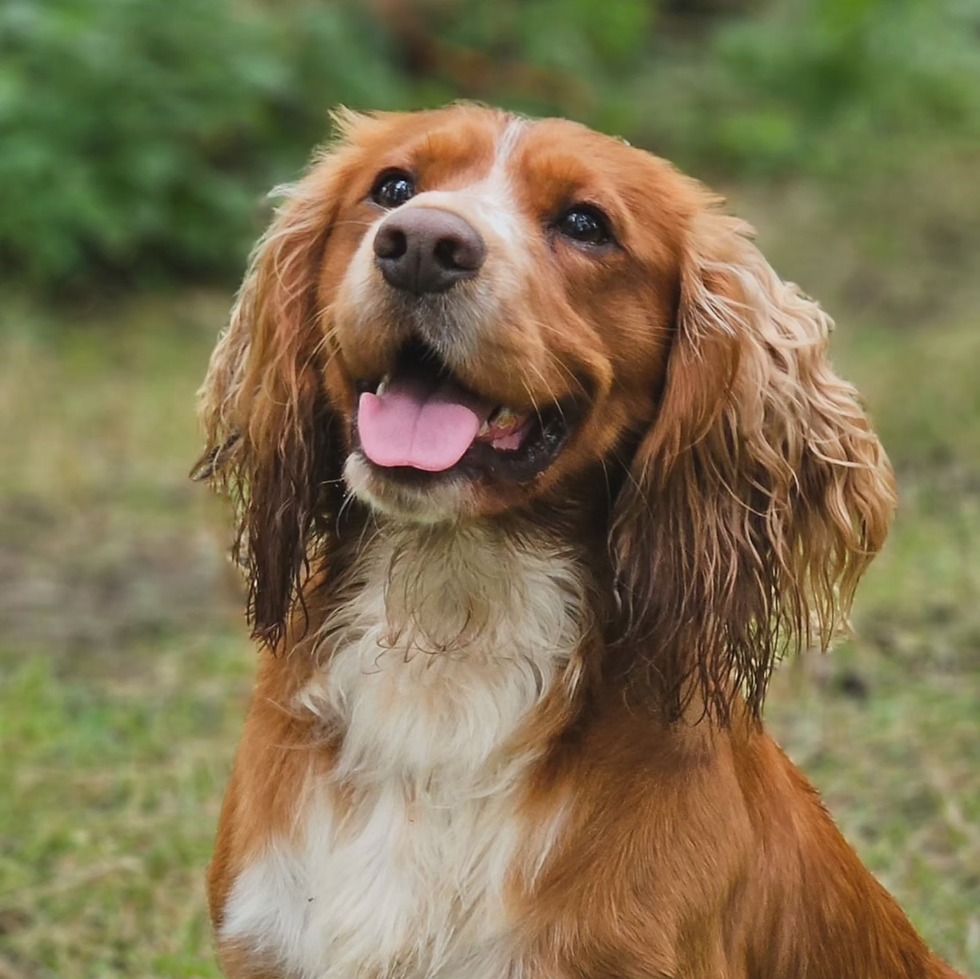
The Impact of Positive Reinforcement
Positive reinforcement taps into the psychology of your dog. When your dog performs the desired behaviour and is rewarded, their brain releases dopamine, a feel-good hormone. This helps create a connection between the behaviour and the reward, making it more likely they will repeat the action in the future.
For example, if you ask your dog to sit and they do, immediately giving them a treat reinforces that action. Over time, your dog learns that sitting results in a reward, making them more likely to obey your command in the future.
What is the Rule of 3 in Dog Training?
The "Rule of 3" is a widely acknowledged principle in dog training that can help you effectively implement reward-based methods. The rule states that for a dog to fully learn a command or behaviour, they should be exposed to it in three different environments, with three different people, and with three different levels of distractions.
Three Environments: Training your dog in various locations, such as your home, a park, and a busy street, helps generalise the behaviour.
Three People: Having different individuals give the command can help your dog understand that the behaviour is expected regardless of who is asking.
Three Distractions: Gradually introducing distractions teaches your dog to focus and respond to commands despite potential interruptions.
This multifaceted approach ensures a well-rounded training process and solidifies the learned behaviour.

The Steps to Effective Reward-Based Training
Select the Right Reward: Find what motivates your dog the most, whether it's treats, toys, or verbal praise. High-value rewards are essential for initial learning, especially in challenging environments.
Timing is Essential: Reward your dog immediately after they perform the desired behaviour. This association makes it clear to your dog what behaviour is being reinforced.
Be Consistent: Use the same commands and gestures. Consistency helps your dog understand what is expected.
Gradual Progression: Start in a quiet area with minimal distractions, then gradually add more complex environments and challenges. This progression will help build your dog’s confidence.
Common Rewards in Dog Training
In reward-based training, there are various types of rewards you can choose from:
Tangible Rewards: These are commonly treats, which should be small, nutritious, and easy to digest. Always consider portion control to avoid overfeeding.
Intangible Rewards: Praise, petting, or a favourite toy can also serve as effective rewards. Dogs thrive on attention and approval, making these strategies particularly effective.
Playtime: Many dogs love to engage in plays. Incorporating play sessions as a reward helps make training more enjoyable.
When selecting rewards, ensure they are appropriate for your dog’s size, diet, and preferences. Altering the type of reward based on the situation may be necessary for optimal results.

Maintaining and Reinforcing Good Behaviour
Once your dog has learned a command or a behaviour, don’t stop rewarding them entirely. Gradually phase out treats while continuing to offer praise and playtime. This practice reinforces that the behaviour is still desirable even without a tangible reward.
Using a variable reward schedule can keep your dog engaged. Instead of rewarding every single time, reward intermittently. This unpredictability keeps your dog motivated, as they will never know when they might receive a treat!
Also, be patient. Some behaviours take longer to learn than others. Consistently rewarding your dog for their efforts, even for small steps, maintains their enthusiasm and desire to learn.
Final Thoughts on Rewarding Your Dog's Good Behaviour
Using reward-based dog training is not just about teaching commands; it builds a solid and positive bond between you and your dog. The theory behind this method emphasises that positive reinforcement leads to a happier, well-adjusted dog who is eager to please.
Understanding the mechanisms of reward-based training, including the rule of 3 and the significance of timing and consistency, can vastly improve both your training sessions and your dog’s behavioural outcomes.
In the journey of training your dog, remember to celebrate successes, no matter how small, and enjoy the powerful bond that forms through positive reinforcement. For those interested in structured environments, consider enrolling in group classes to further your knowledge and skills in reward-based dog training.
Happy training!


Comments